Top 10 best 3D and WebGL websites in 2026
Refs Editorial · March 26, 2026
The best 3D and WebGL websites in 2026 use immersive scenes to strengthen storytelling, while still keeping interface clarity and performance in view.
Projects to compare
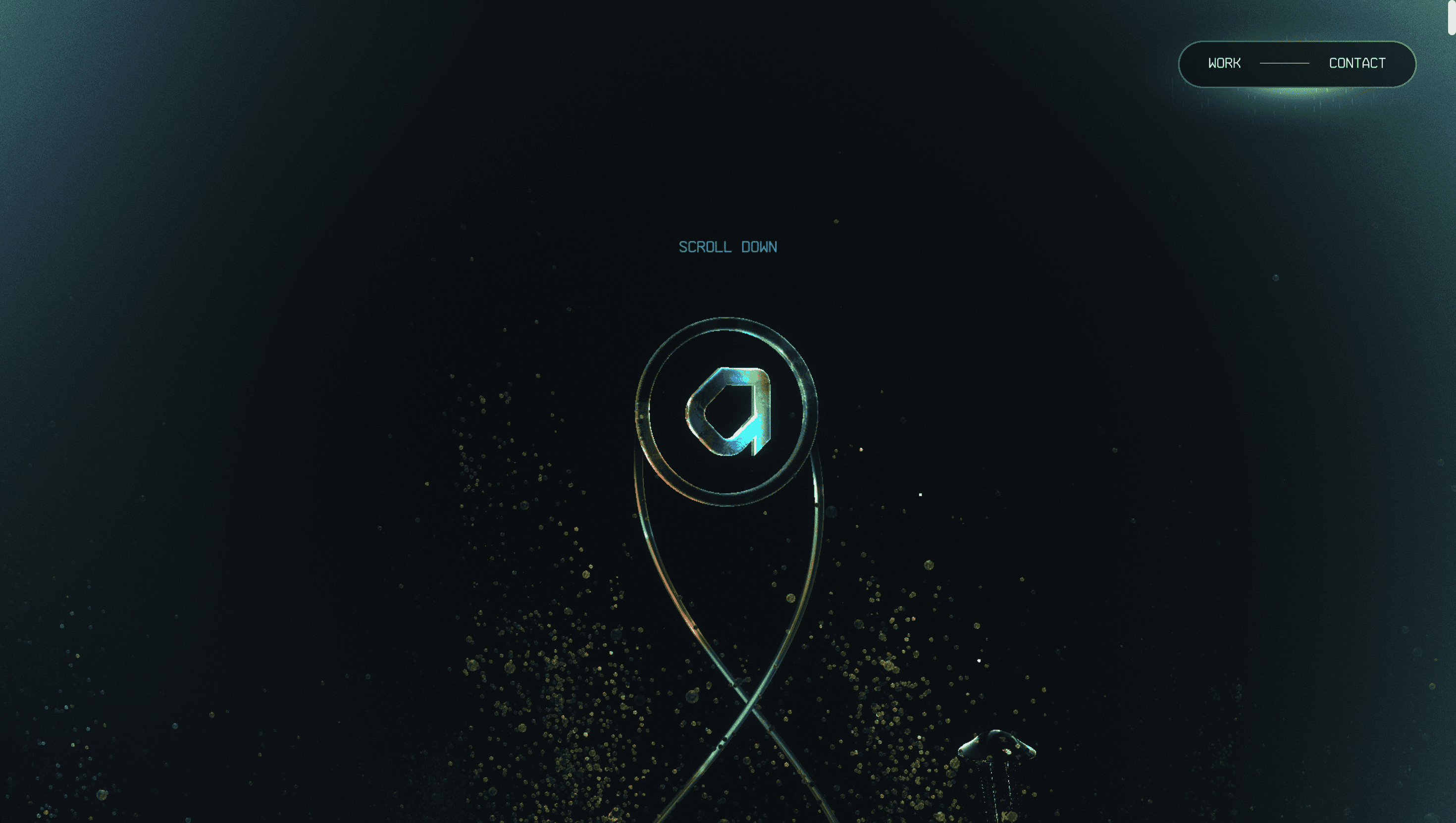
Active Theory
Active Theory is one of the stronger WebGL references in this set because it combines agency, webgl, 3d cues with a structure that stays easy to scan. It is especially useful for studying how the site controls motion, depth, and visual intensity while keeping the experience legible, not just collecting surface-level visual inspiration.
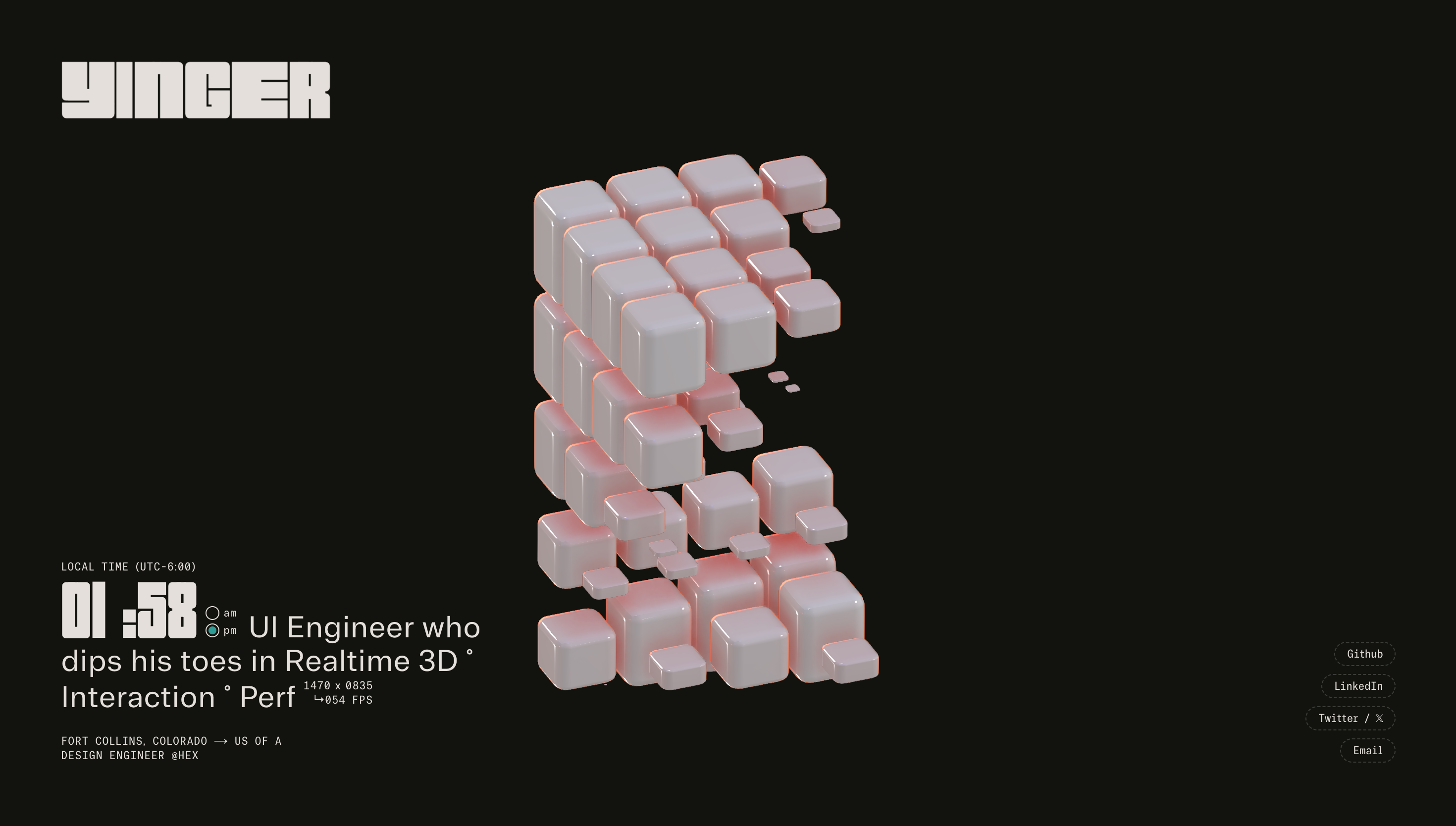
Max Yinger
Max Yinger is one of the stronger WebGL references in this set because it combines 3d, interactive, webgl cues with a structure that stays easy to scan. It is especially useful for studying how the site controls motion, depth, and visual intensity while keeping the experience legible, not just collecting surface-level visual inspiration.
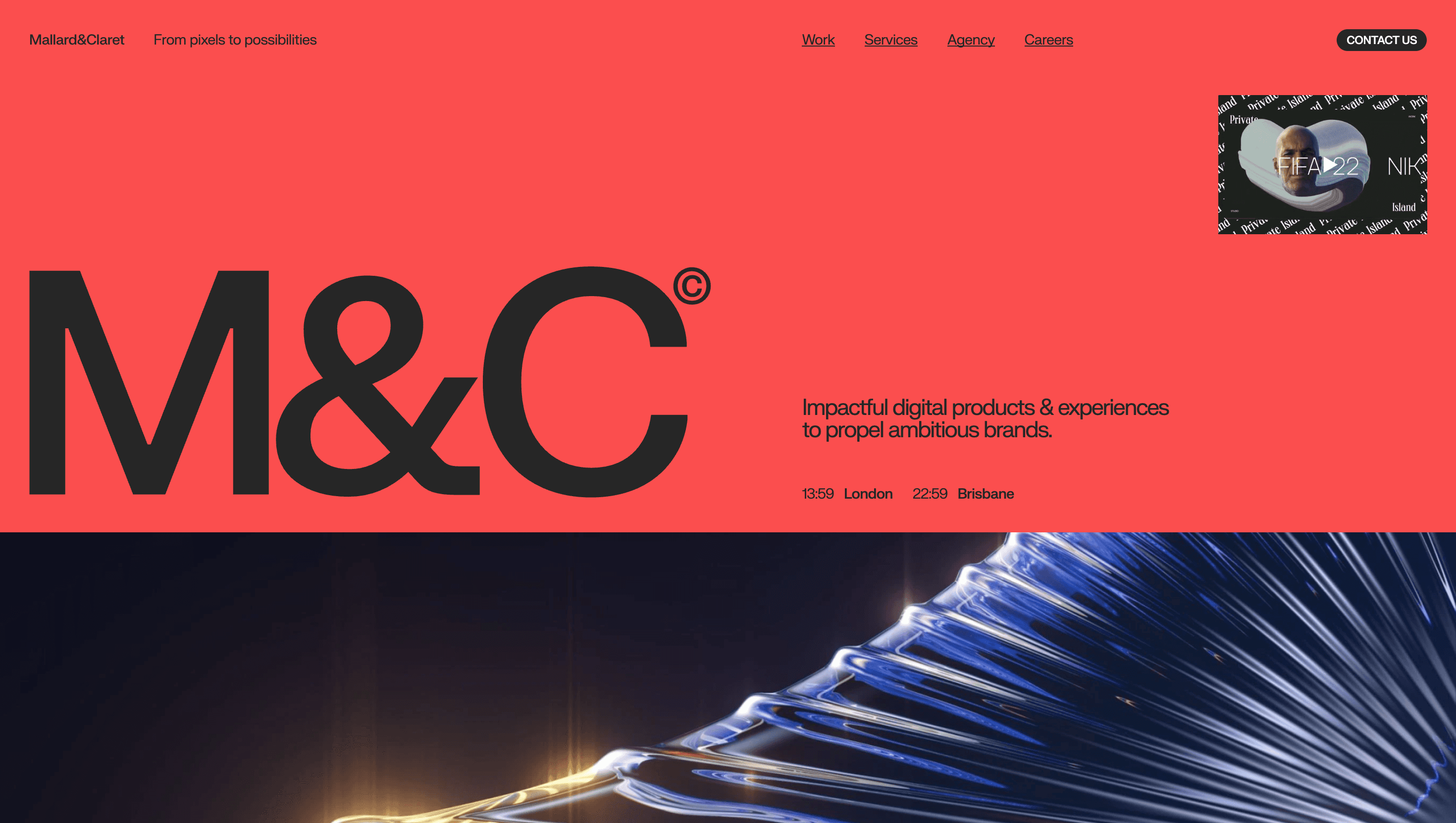
M&C 4.0
M&C 4.0 is one of the stronger WebGL references in this set because it combines minimal, agency, clean cues with a structure that stays easy to scan. It is especially useful for studying how the site controls motion, depth, and visual intensity while keeping the experience legible, not just collecting surface-level visual inspiration.
Dark – Netflix Guide
Dark – Netflix Guide is one of the stronger WebGL references in this set because it combines minimal, 3d, award cues with a structure that stays easy to scan. It is especially useful for studying how the site controls motion, depth, and visual intensity while keeping the experience legible, not just collecting surface-level visual inspiration.
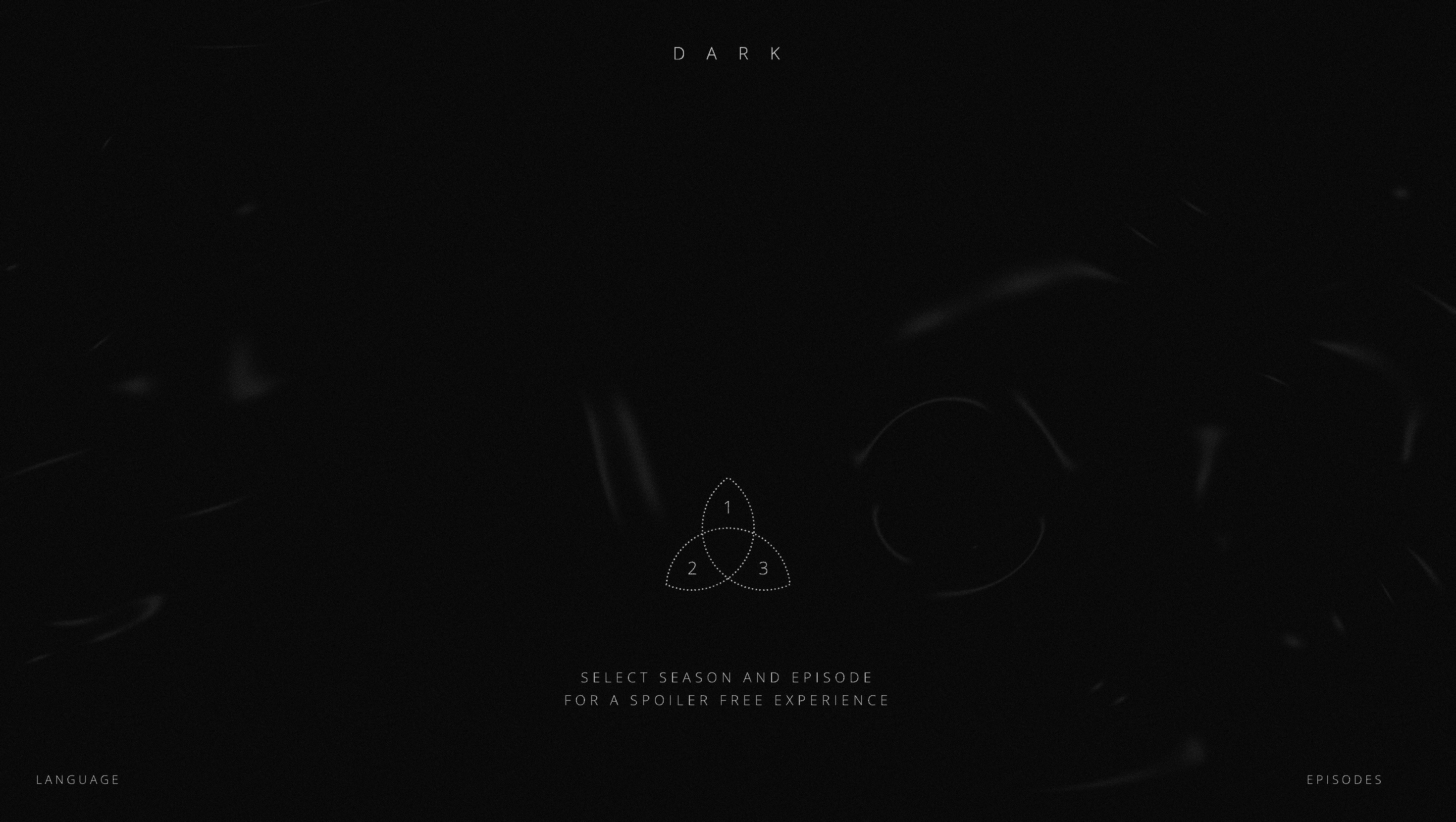
Joy From Africa
Joy From Africa is one of the stronger WebGL references in this set because it combines storytelling, interactive, minimal cues with a structure that stays easy to scan. It is especially useful for studying how the site controls motion, depth, and visual intensity while keeping the experience legible, not just collecting surface-level visual inspiration.
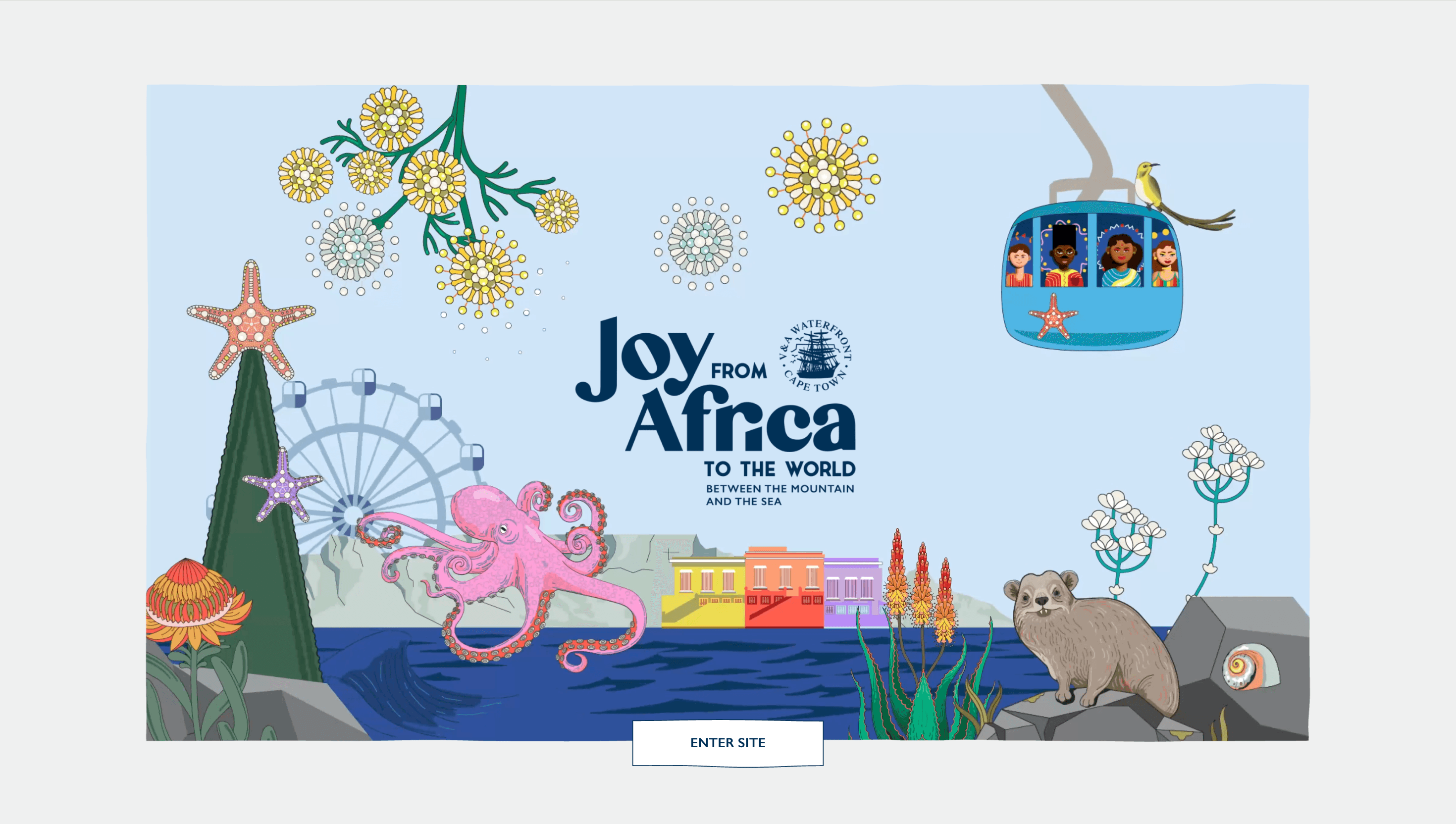
Montfort
Montfort is one of the stronger WebGL references in this set because it combines fintech, motion, webgl cues with a structure that stays easy to scan. It is especially useful for studying how the site controls motion, depth, and visual intensity while keeping the experience legible, not just collecting surface-level visual inspiration.
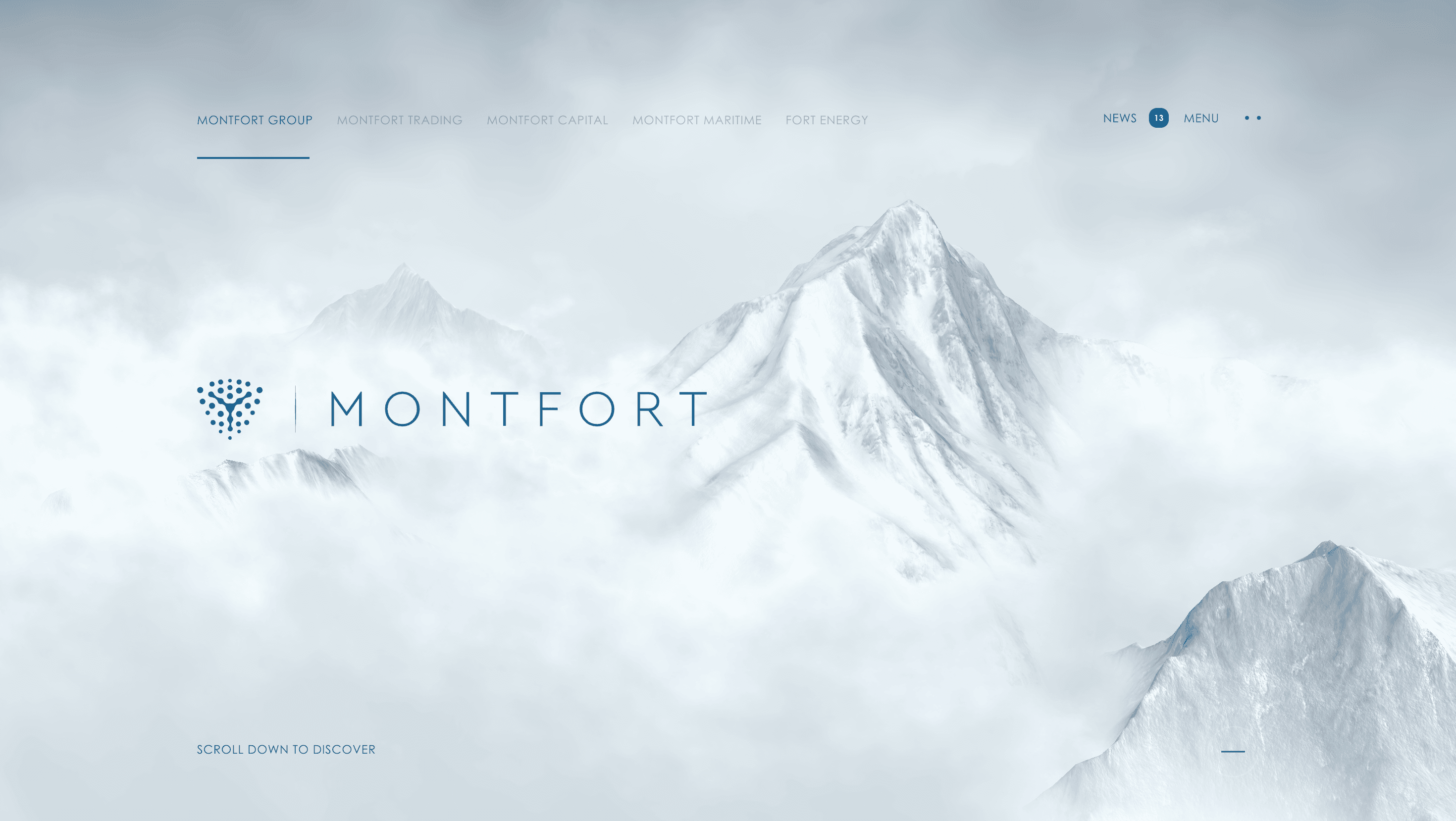
Hyer
Hyer is one of the stronger WebGL references in this set because it combines 3d, webgl, clean cues with a structure that stays easy to scan. It is especially useful for studying how the site controls motion, depth, and visual intensity while keeping the experience legible, not just collecting surface-level visual inspiration.
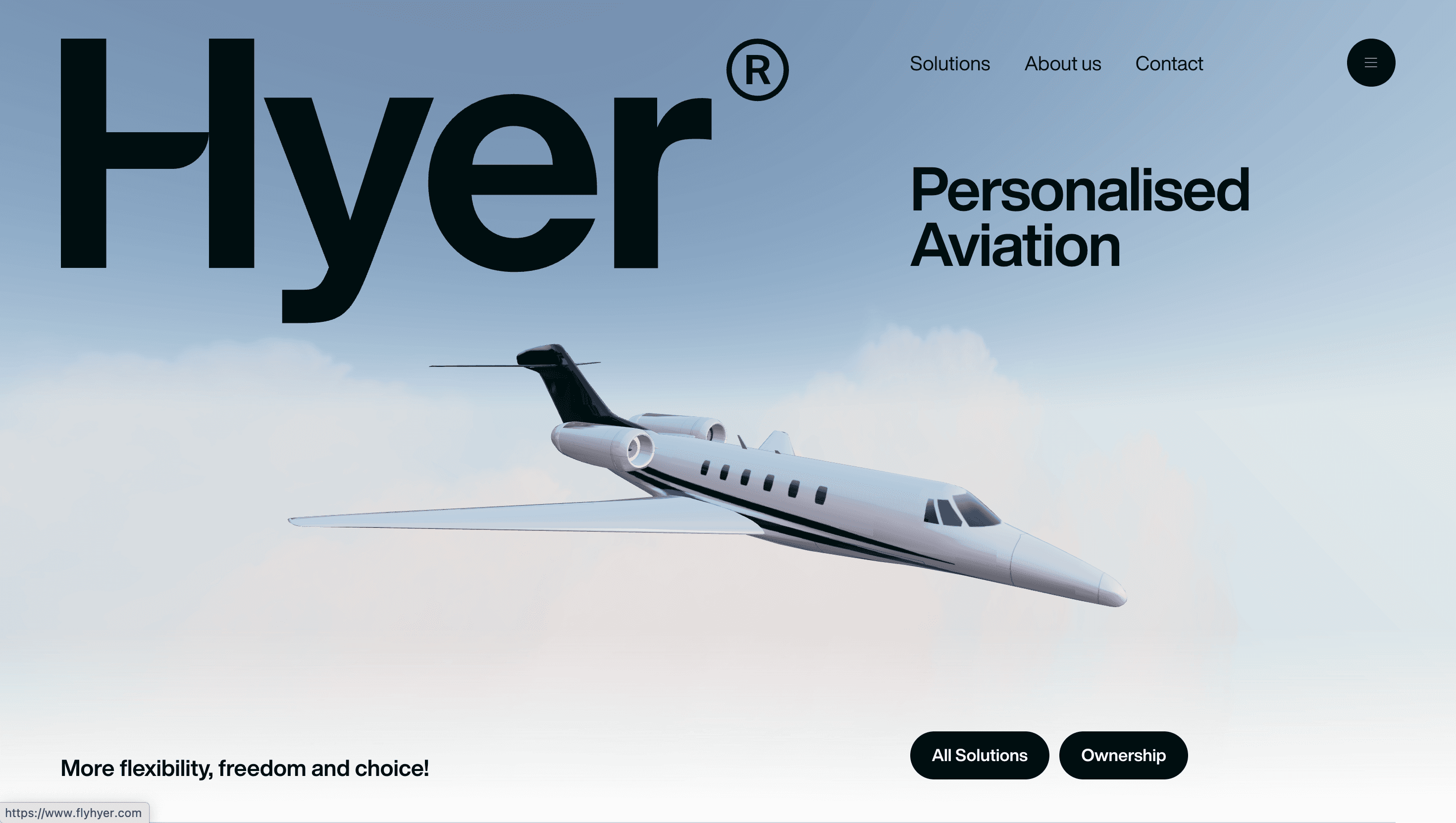
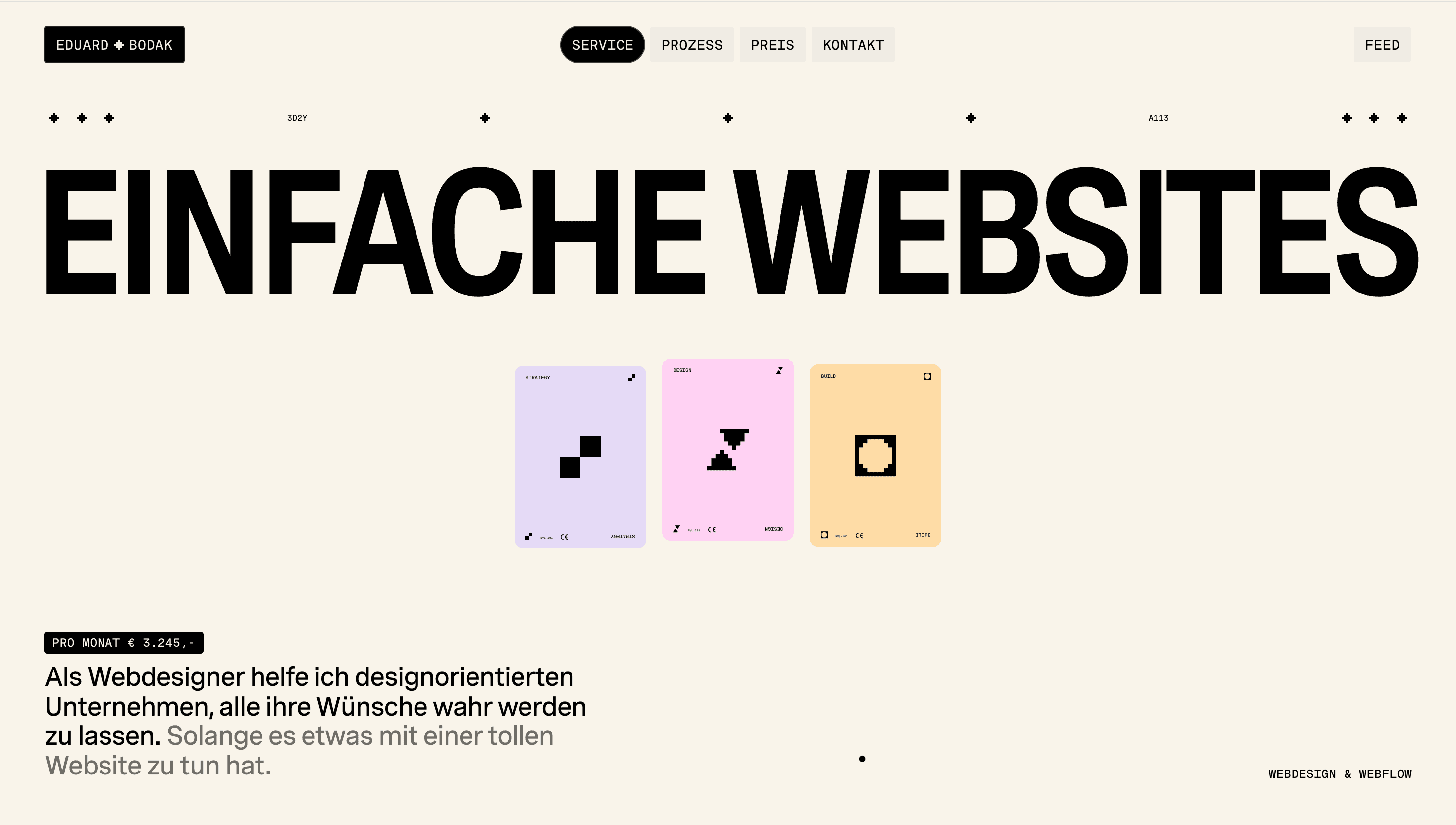
Eduard Bodak — Portfolio
Eduard Bodak — Portfolio is one of the stronger WebGL references in this set because it combines portfolio, minimal, scroll cues with a structure that stays easy to scan. It is especially useful for studying how the site controls motion, depth, and visual intensity while keeping the experience legible, not just collecting surface-level visual inspiration.
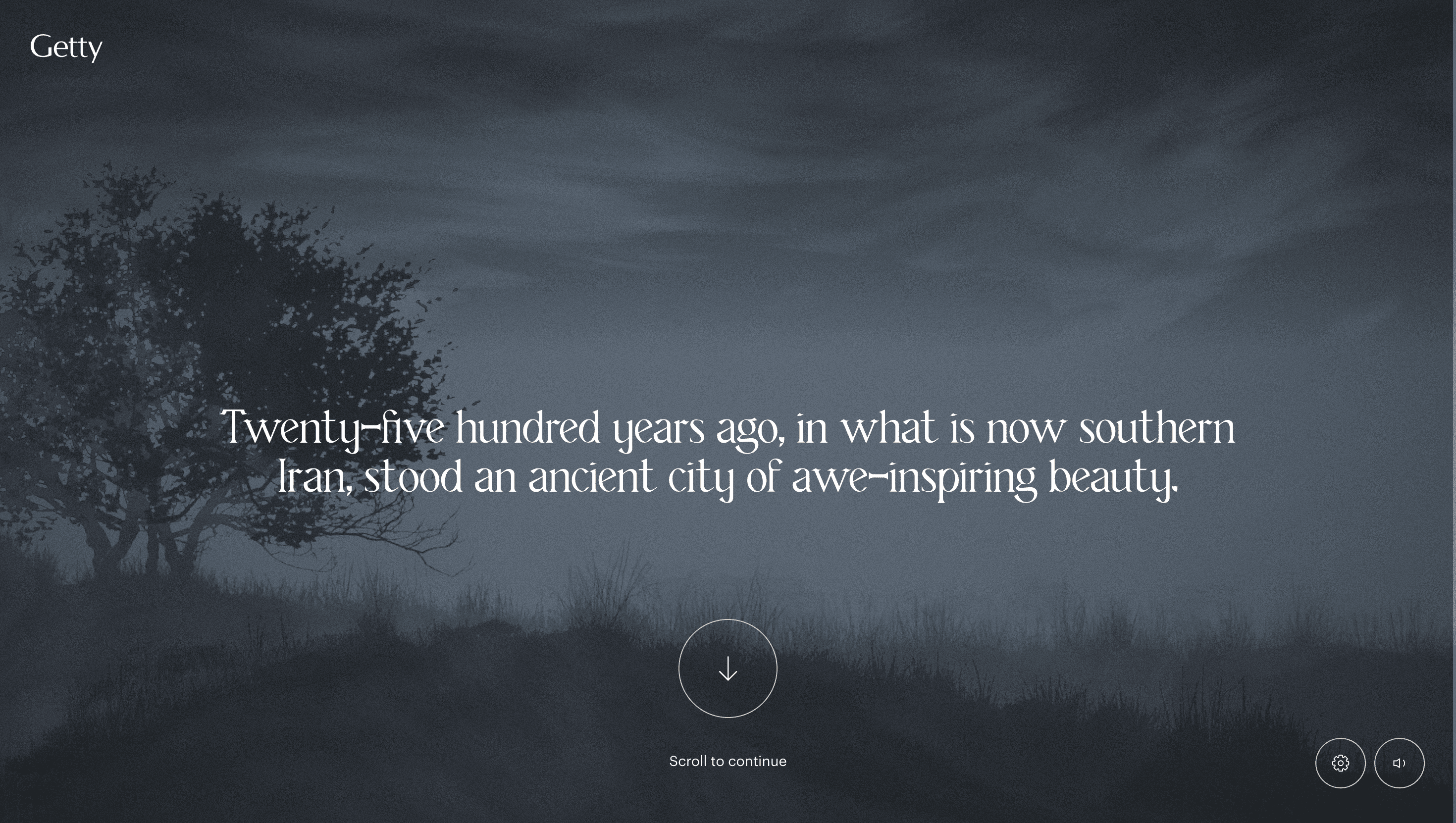
Persepolis Reimagined
Persepolis Reimagined is one of the stronger WebGL references in this set because it combines culture, storytelling, award cues with a structure that stays easy to scan. It is especially useful for studying how the site controls motion, depth, and visual intensity while keeping the experience legible, not just collecting surface-level visual inspiration.
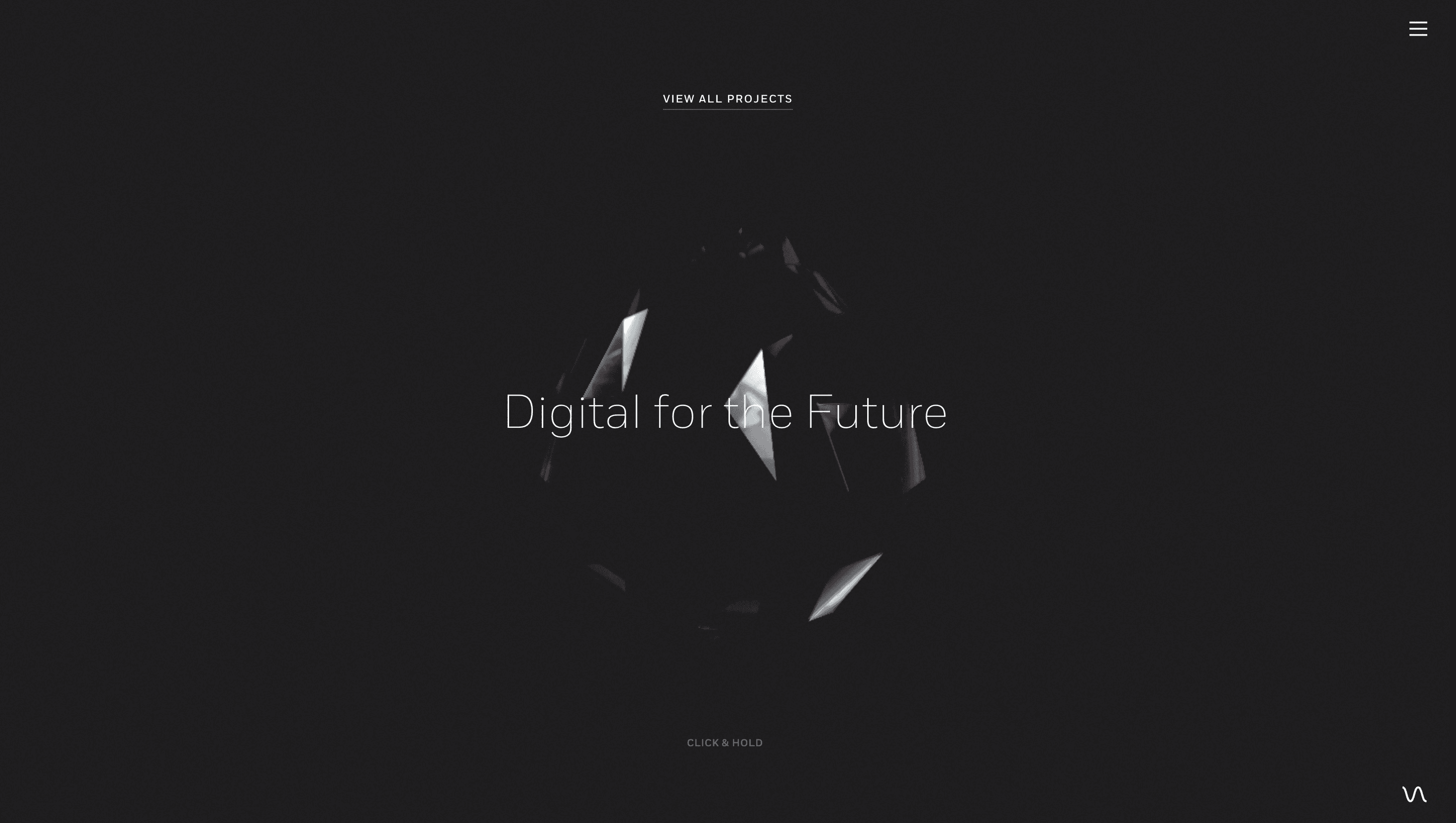
Resn
Resn is one of the stronger WebGL references in this set because it combines agency, award, experimental cues with a structure that stays easy to scan. It is especially useful for studying how the site controls motion, depth, and visual intensity while keeping the experience legible, not just collecting surface-level visual inspiration.
Frequently asked questions
What makes a strong 3D or WebGL website?
A strong 3D or WebGL website combines visual immersion with readable structure and responsive interaction. The experience should feel intentional, not like the interface is fighting the content.
Are WebGL-heavy websites only useful for campaigns?
They are especially common in campaigns and portfolio work, but they can also be useful for product storytelling, launch pages, and showcases when immersion directly supports the message.