Visit website
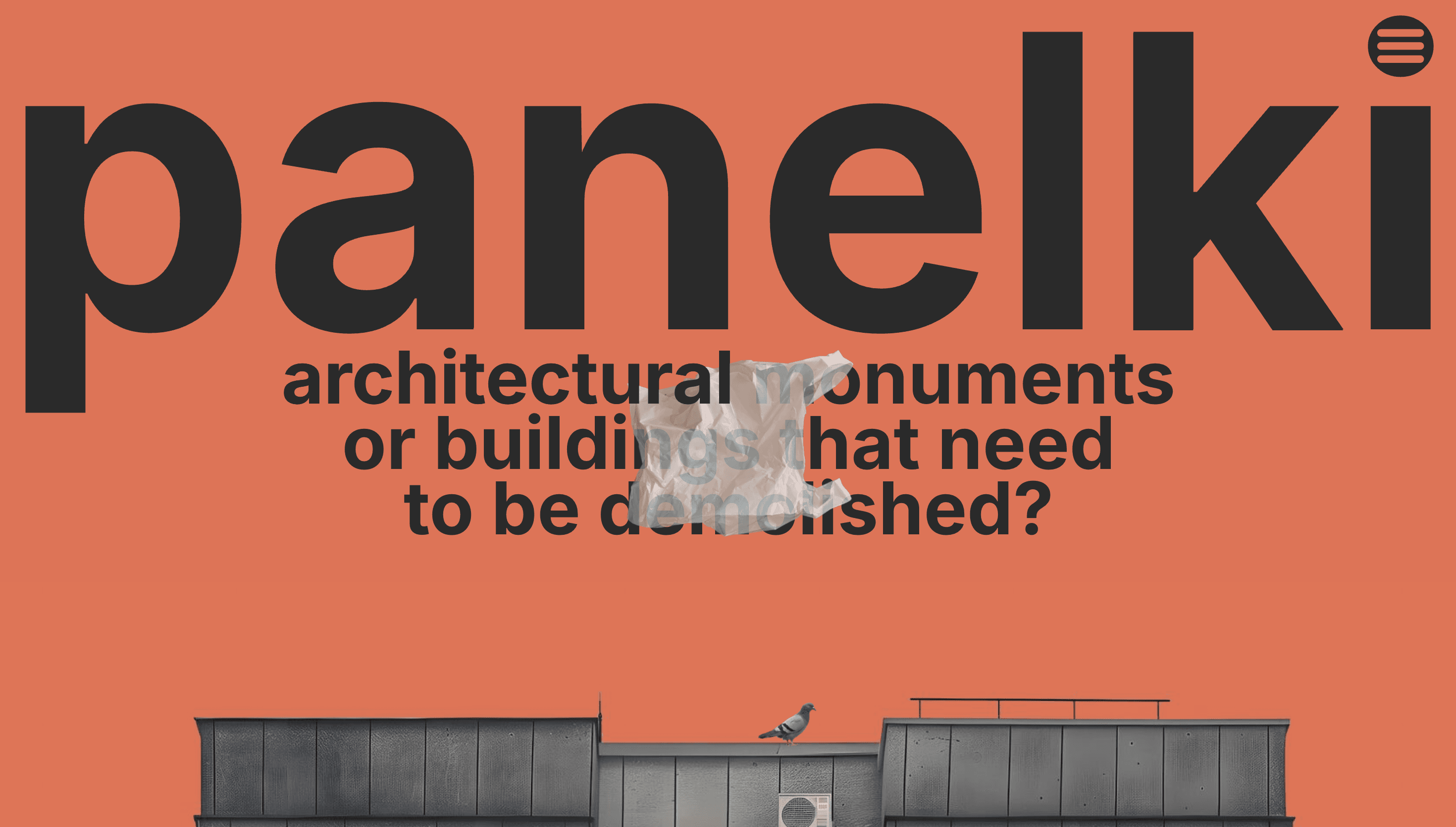
panelki
Published Jan 29, 2026
Concept
The project explores the cultural and architectural legacy of panelki, the prefabricated panel buildings that define much of the urban landscape in post-Soviet territories. It poses a central question about their value, debating whether these structures should be preserved as historical monuments or cleared for modern development.
Visual Language & Motion
The site utilizes a minimalist yet evocative aesthetic to reflect the brutalist nature of its subject matter. It focuses on photography and typography that mirrors the stark, repetitive patterns found in mass-produced housing to create a sense of nostalgia and scale.
UX & Performance
The interface is designed to facilitate a contemplative experience, guiding users through a narrative about urban history and architectural identity. It prioritizes clarity and visual impact to ensure the buildings remain the primary focus of the digital experience while maintaining smooth transitions.
Takeaway
This site serves as a digital archive and a philosophical inquiry into the lifespan of industrial architecture. It challenges viewers to reconsider their perception of mundane urban environments and the history embedded within concrete walls.